Many scientists are optimistic that advances in research will someday make repair of spinal cord injuries possible. In the meantime, treatments and rehabilitation allow many people with spinal cord injuries to lead productive, independent lives. Prenatal exposure to excessive alcohol can cause fetal alcohol syndrome; hence, the use of any alcohol during pregnancy is contraindicated. Because Wernicke encephalopathy neuropathology is identified in a substantial portion of patients with hepatic encephalopathy, patients who develop hepatic encephalopathy should also be treated presumptively with thiamine (45).

Alcoholism and Alcoholic Neuropathy
MRI revealed T2 and FLAIR hyperintensities in the periaqueductal gray (Figure 7-2A and B), midbrain tectum (Figure 7-2C), and mammillary bodies (Figure 7-2D). Brain MRI performed 6 weeks previously (for an episode of transient confusion in the context of urosepsis) revealed no abnormalities. No signal changes were evident on contrast-enhanced brain MRI; EEG revealed mild slowing, and CSF analyses were normal. Follow-up brain MRI performed 10 days after presentation (and 10 days of IV thiamine repletion) supported imaging resolution of the syndrome. His cognition gradually improved, and was unremarkable 1 month after thiamine repletion; however, fixed neuro-ophthalmic deficits, including right abducens paresis, remained at that time. Acute excess intake of alcohol can cause drunkenness (intoxication) or even death, and chronic or long-term abuse leads to potentially irreversible damage to virtually any level of the nervous system.
Navarro et al. (1993) showed that nearly half of the alcohol-dependent patients without AAN symptoms and any aberrations in electrophysiologic studies presented abnormal SSR results 163. In a similar study, SSR was used to assess the number of reactive sweat glands (SGN), which turned out to be decreased in alcohol-dependent patients 164. During the initial stages of ALN, the disease may appear asymptomatic and demonstrable only on electroneurographic investigation 71, 111, 112. Because ALN is a length-dependent axonopathy, it manifests mainly in a “stocking-glove” form, affecting the lower extremities at the beginning 28, 113. The main symptoms of ALN include dysesthesia, paresthesia, numbness, and pain in the lower extremities which progressively reach higher parts of the body 114,115,116,117. The pain is described as burning, cramp-like, or itching; also, a common symptom is a subjective feeling of cold in both feet 118,119,120,121,122,123.
CENTRAL NERVOUS SYSTEM COMPLICATIONS OF ALCOHOLISM
On examination her strength was normal except for Medical Research Council (MRC) grade 4/5 in her extensor hallucis longus muscles bilaterally. Sensory examination was notable for profound loss of vibration and temperature sensation in the feet and to a slight degree in her hands. Gait was normal, and she could tandem for several steps, although an examiner numb fingers after drinking needed to catch her during the Romberg test. Laboratory tests revealed normal electrolytes and mildly increased transaminase levels. Screening laboratory testing for identifiable causes of neuropathy was negative. After a brain injury or spinal cord injury, your body is more sensitive to alcohol.
NEARBY TERMS
- Alcohol withdrawal symptoms typically begin within 6 to 12 hours after the last drink, although this can vary depending on the person’s drinking habits and level of dependence.
- It is worth noting that peripheral neuropathy has no reliable treatment due to the poor understanding of its pathology.
- Attacks can be recurrent, correlating with additional episodes of heavy drinking.
- This creates a thiamine deficiency, and is one of the long-term effects of alcohol on the body.
A link between abuse of red wine and the disorder has been suggested (220). The patient’s memory loss was relatively mild but was consistent with early Alzheimer disease. Loss of paraspinal muscle mass is a male gender-specific consequence of cirrhosis that predicts complications and death (88).
Underlying medical symptoms can also contribute to the severity of the withdrawal process. Stopping or limiting alcohol use (follow the advice of your healthcare provider) and having proper nutrition can support your recovery. Healthcare providers diagnose Wernicke-Korsakoff syndrome using a physical exam. Diagnosing Wernicke-Korsakoff syndrome can be difficult when people are experiencing mental confusion or memory loss. The most common cause of thiamine deficiency is chronic alcohol use. Alcohol makes it harder for your body to absorb thiamine and store it in your liver.
ALN Pathophysiology
These hallucinations occur because while the body is paralyzed, the brain is still in the dreaming state of REM sleep. Although it may feel incredibly real when happening, in reality, it is harmless and lasts a few seconds to a https://dev-trendy-watches.pantheonsite.io/2022/09/22/celebrating-sobriety-top-24-gift-ideas-for-someone-3/ couple of minutes. Individuals working night shifts or with irregular sleep schedules may be more susceptible.
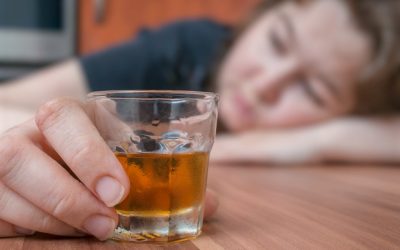
Almost half are mentally retarded, and most others are mildly impaired intellectually or have problems with speech, learning, and behavior. Alcohol can trigger an irregular cycle of REM sleep known as REM rebound. This occurs both in those who drink regularly, and in those with alcohol use disorder or alcohol dependence.
Finally, the acidic pH destroys urease-producing bacteria in the colon, decreasing the colonic ammonia derived from bacteria. MRI is helpful in diagnosis of Wernicke encephalopathy (140; 132; 16). Alcohol abuse is a significant risk factor for developing dry beriberi (56; 228). Photomicrograph of Alzheimer type 2 astrocytes in the cerebral cortex. Alzheimer type 2 astrocytes are pathologic cells found in hepatic encephalopathy and hepatolenticular degeneration (Wilson disease). • The neuropathologic changes in Korsakoff syndrome are identical in distribution and histologic character to those of Wernicke encephalopathy, showing only the more chronic findings of the earlier pathologic processes.

Coasting is a major feature of alcoholic neuropathy, largely due to chronic alcohol abuse. Even though much research was done in this area, still we do not have a full understanding of the mechanism of alcoholism symptoms alcoholic neuropathy. These include direct or indirect effects of alcohol metabolites, impaired axonal transport, suppressed excitatory nerve pathway activity, or imbalance in neurotransmitters.